
Slip rings and carbon brushes for cement plant motors
Cement plants combine the two things that destroy brush gear fastest: very large inertial loads and abrasive dust. Raw mills, cement mills, crushers, kiln drives and process fans are typically wound rotor motors in the megawatt class, started through rotor resistance, and the slip ring assembly carries that starting current every time.
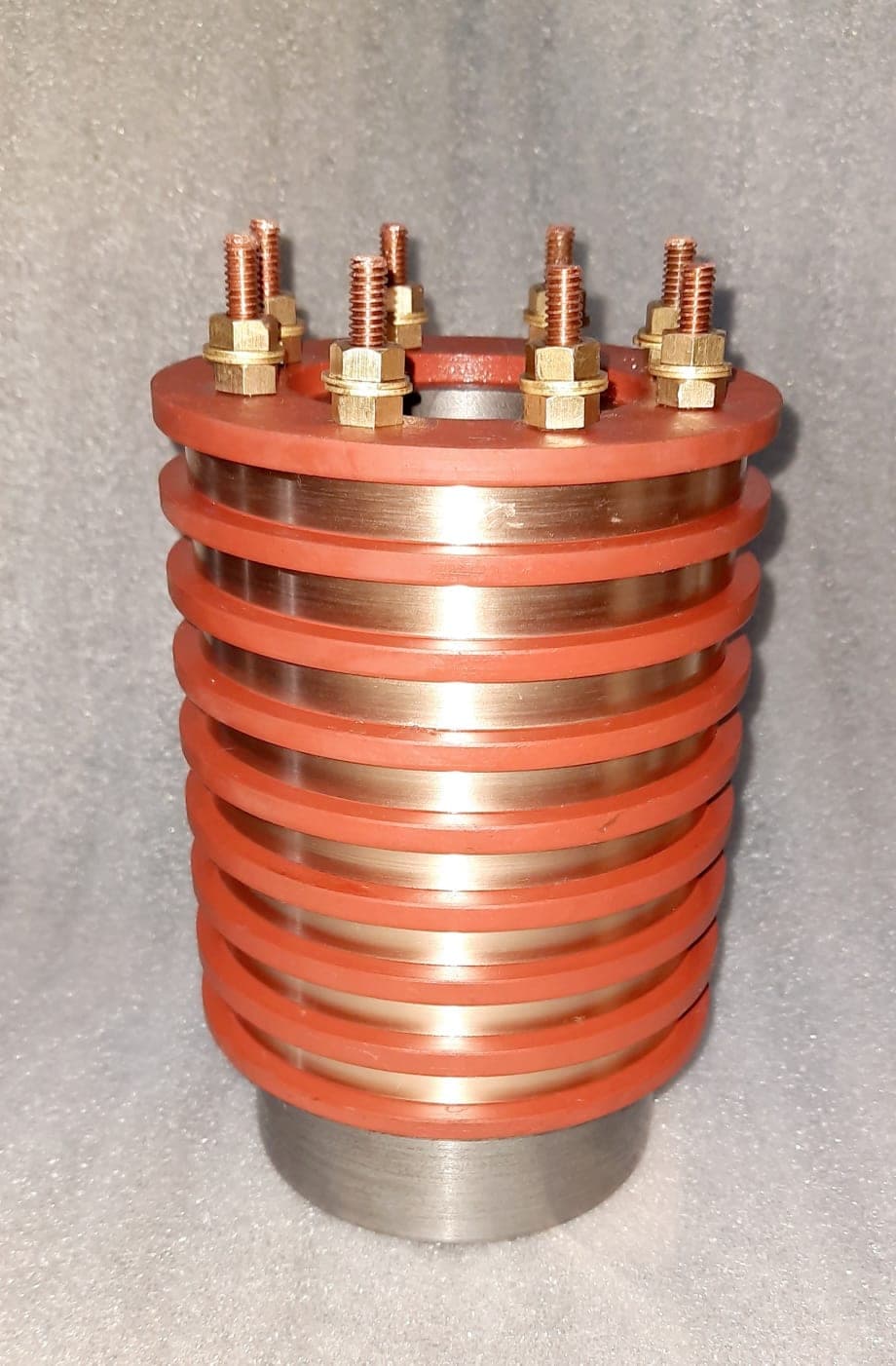
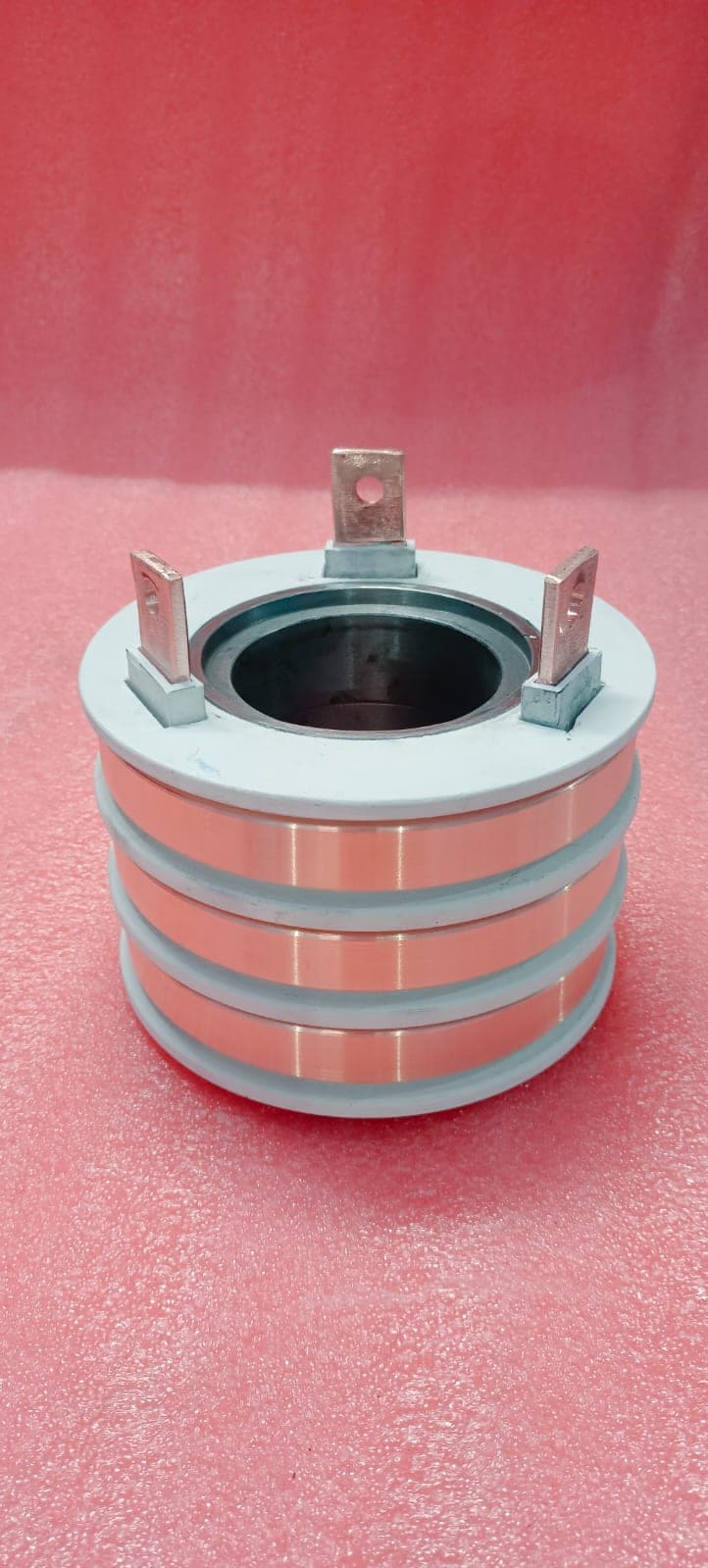
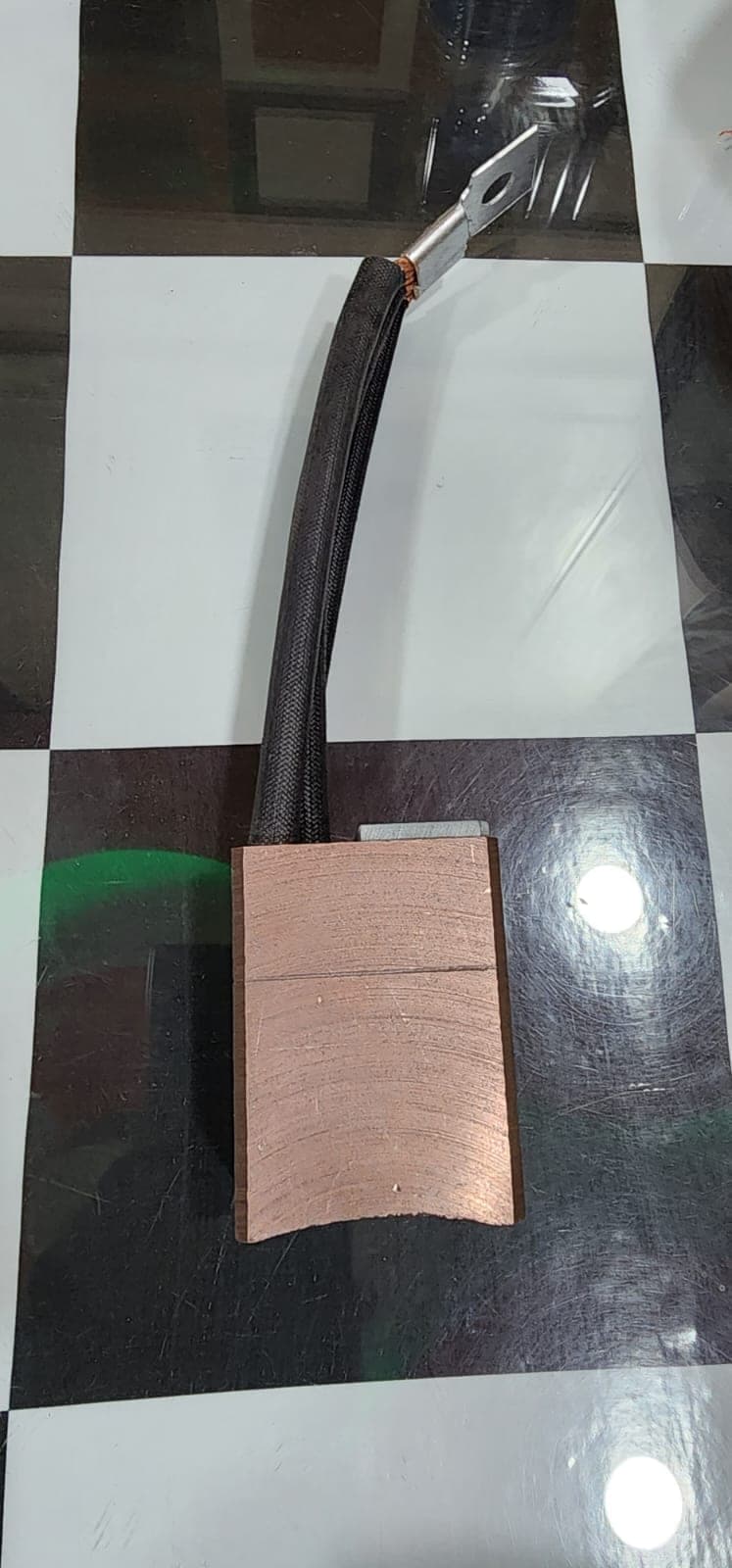
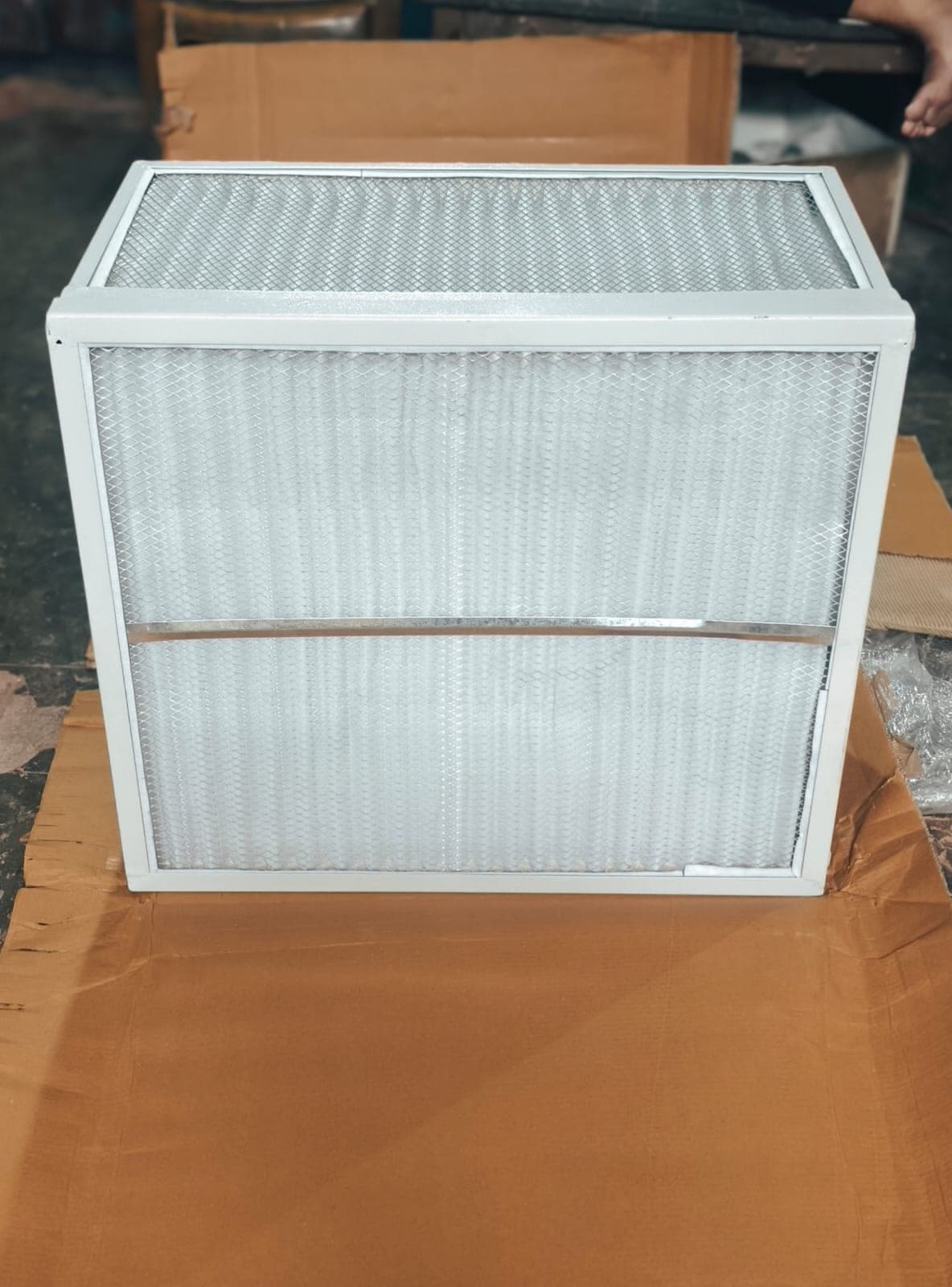
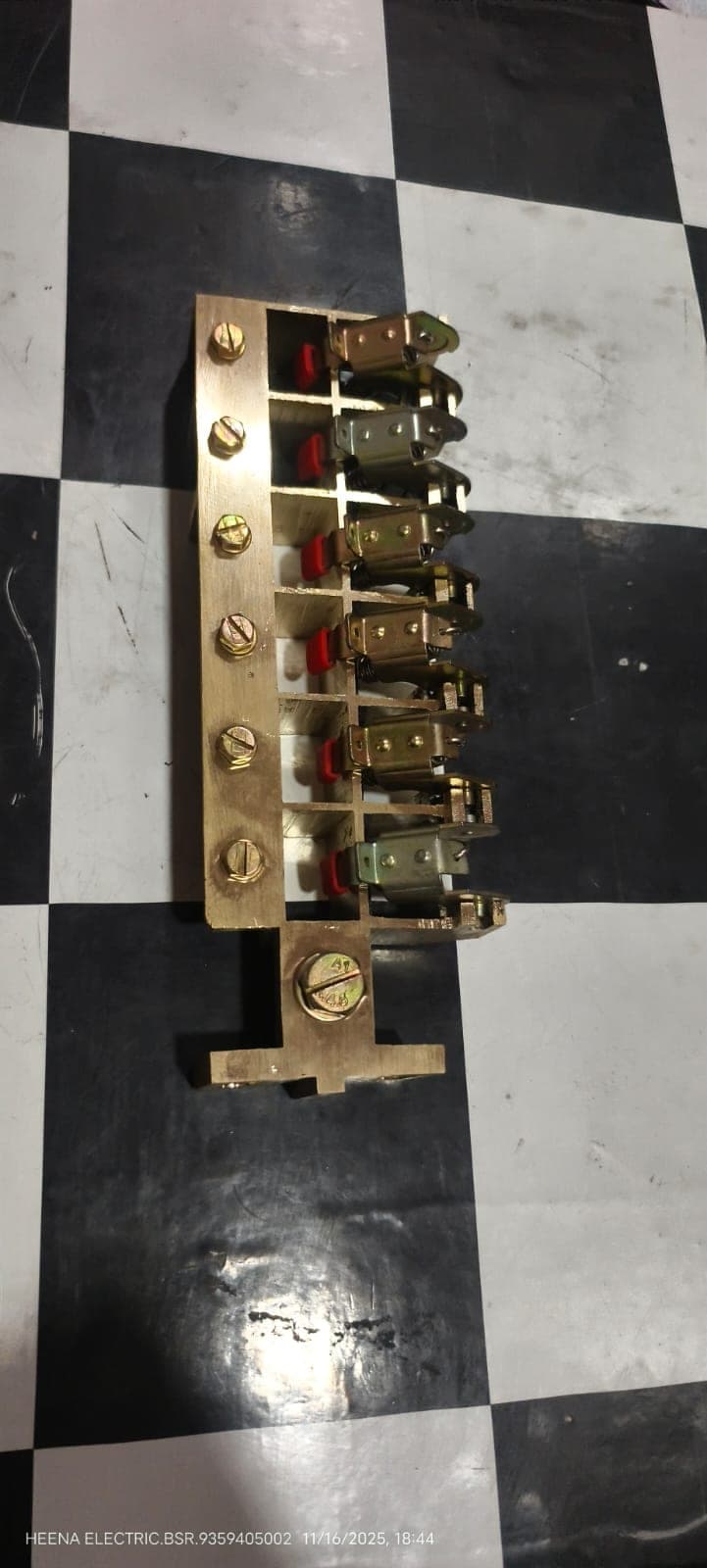
We manufacture slip ring units up to 5000 HP with copper, phosphor bronze or steel rings on epoxy and mica insulated hubs, finish-turned for concentricity and high-voltage tested before dispatch. Carbon brushes, brush holders and washable air filter panels complete the set of parts a cement plant electrical store consumes.
Where our parts are used in cement plants
- 01
Raw mill and cement mill drives
Multi-ring slip ring stacks on insulated hubs, machined true and insulation-tested for high-inertia starting duty.
- 02
Crusher and kiln drive motors
Slip ring units and metal-graphite carbon brushes sized to the existing brush gear.
- 03
Process and cooler fan motors
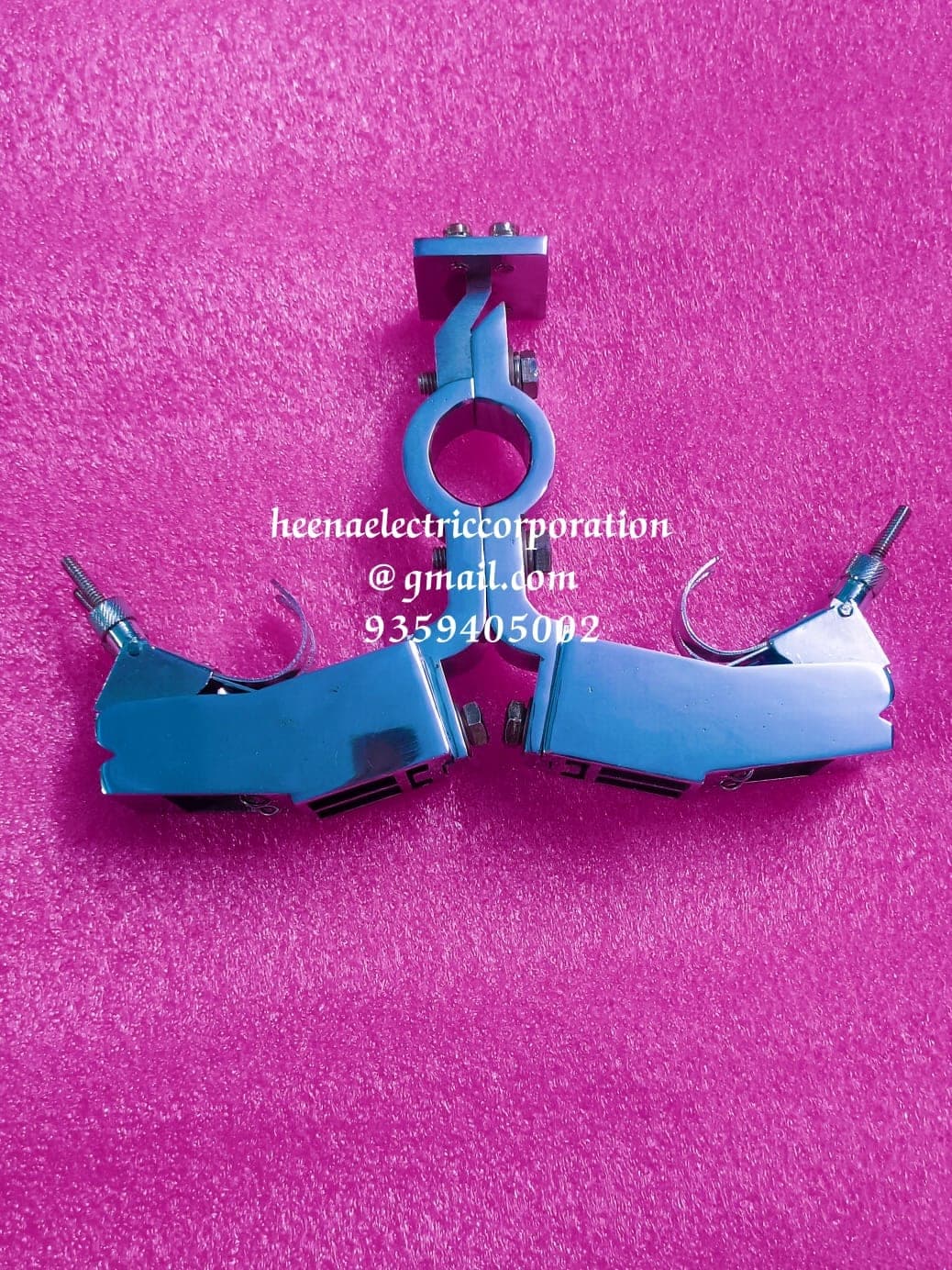
Brush holders with stable spring pressure for continuous-duty fans in dusty conditions.
- 04
Motor air intakes and panels
Powder-coated washable filter panels and custom housings that keep clinker dust out.
What these parts have to survive
- Abrasive limestone and clinker dust wears ring surfaces and contaminates the brush track
- Long starting times on mill drives put the rotor circuit under high current for extended periods
- Continuous kiln operation means unplanned stops are extremely expensive
- Dust ingress through motor air intakes makes filtration part of the maintenance cycle, not an accessory
Made to your sample
Send the worn part or a dimensioned drawing and we manufacture a replacement to the same sizes — no re-machining at your end. Manufacturing in Bulandshahr, Uttar Pradesh since 1995.
Products we supply to cement plants
Cement Plants — common questions
What ring material is best for dusty cement plant conditions?
It depends on the original design and the brush grade running against it. Electrolytic copper gives the best conductivity, phosphor bronze offers better wear resistance against abrasive dust, and steel is used where the original design specified it. We normally reproduce the material of the unit being replaced unless you ask us to review it.
Are slip rings tested before dispatch?
Yes. Rings are checked for concentricity after finish turning, and the insulated hub assembly is high-voltage tested before the unit leaves the workshop.
Can you supply a full set — rings, brushes and holders — together?
Yes, and it is usually the better approach. New rings running against worn brushes in worn holders will not give full life, so supplying the set together makes the overhaul worthwhile.